


News
News List

September 09, 2026
When your pet needs veterinary emergency surgery in Redlands, getting answers quickly is important. At Veterinary Emergency Center of Redlands, our emergency and critical care team is available 24/7 to evaluate urgent illnesses and injuries. Because we operate as a walk-in emergency hospital, pets are assessed based on the seriousness of their condition. A veterinarian will examine your pet and determine whether diagnostic testing, stabilization, medical treatment, or surgery is necessary.

September 09, 2026
X-rays are an important diagnostic tool in veterinary medicine, but some conditions require a clearer, more detailed view. At Veterinary Emergency Center of Redlands, our in-house veterinary CT scan technology allows us to examine internal structures in greater detail and make informed decisions quickly, especially in complex abdominal cases.

February 4th, 2026
It happens fast - one moment your pet is playing, the next they’ve swallowed something they shouldn’t have. Socks, toys, corn cobs, bones, hair ties, and even rocks are common items pets ingest. While some small objects may pass on their own, others can become lodged in the stomach or intestines, causing serious and sometimes life-threatening complications. Warning signs of foreign body ingestion include vomiting, gagging, drooling, loss of appetite, abdominal pain, lethargy, straining to defecate, or changes in behavior. Cats may hide more often, while dogs may seem restless or uncomfortable. Unfortunately, symptoms don’t always appear right away - making early evaluation especially important.
November 21, 2025
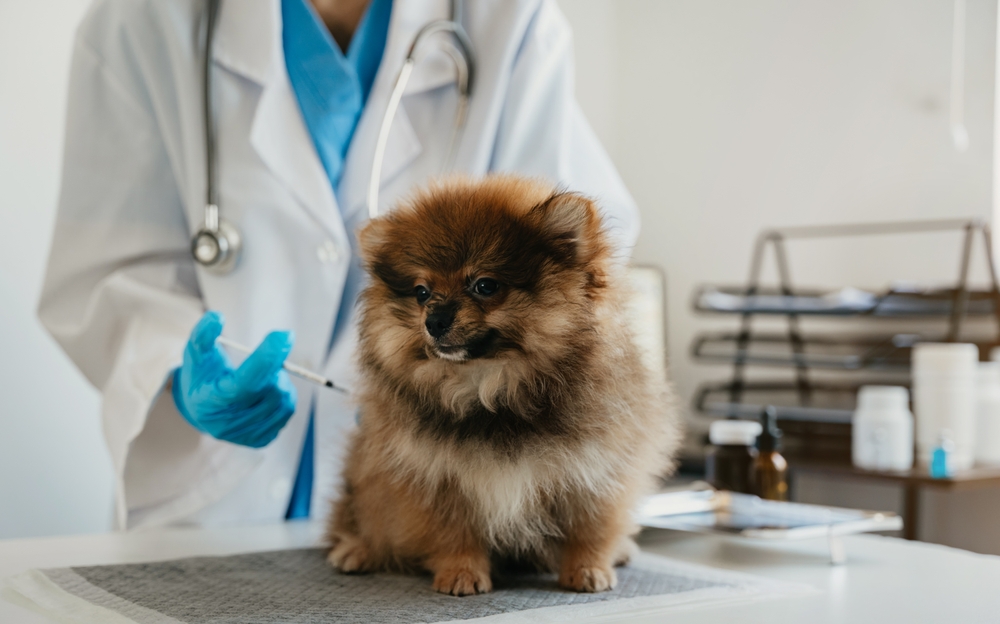
After an emergency visit, a calm and supportive environment plays a vital role in helping pets recover both physically and emotionally. At the Veterinary Emergency Center of Redlands, we understand that recovery doesn’t end once treatment is complete - it continues with attentive aftercare and a comforting space.
July 30th, 2025
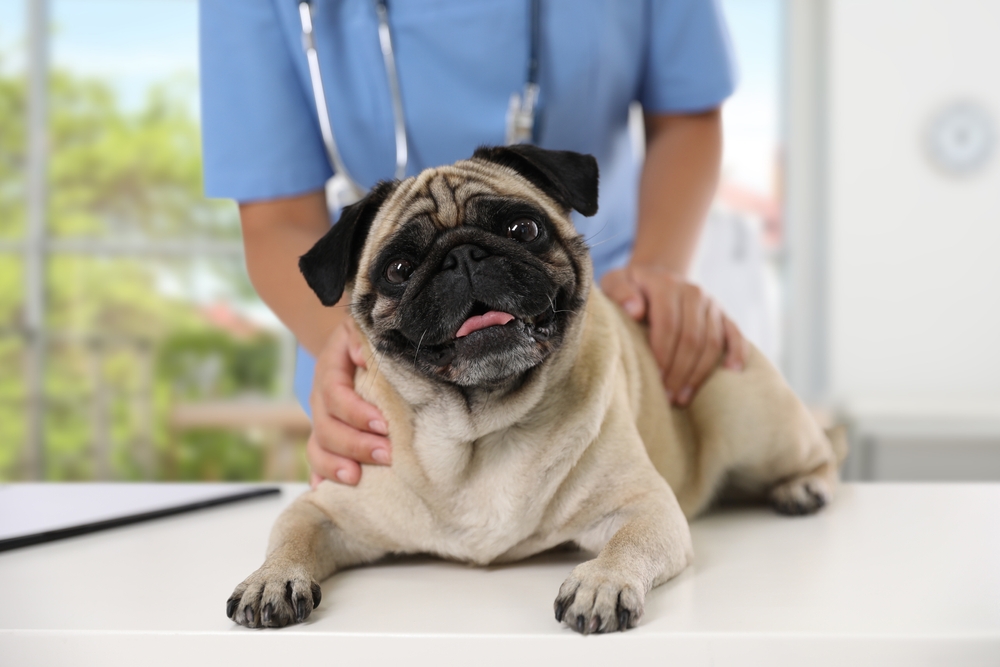
Bloat, also known as gastric dilatation-volvulus (GDV), is a serious and potentially fatal condition that can affect dogs of any breed, but is especially common in large, deep-chested breeds such as Great Danes, German Shepherds, and Standard Poodles. Bloat occurs when a dog’s stomach rapidly fills with gas, food, or fluid and then twists on itself, cutting off blood flow and trapping the contents inside.

Witnessing your pet have a seizure can be a terrifying experience. Seizures in pets may stem from various causes, including epilepsy, exposure to toxins, liver or kidney disease, low blood sugar, head trauma, or brain tumors. Some breeds are more genetically predisposed to seizures, and in many cases, the exact cause remains unknown. No matter the cause, it’s important to treat seizures seriously and seek veterinary evaluation to identify any underlying conditions and determine the best course of treatment.

Endoscopy is a minimally invasive diagnostic tool that allows veterinarians to examine the internal organs of pets without the need for major surgery. Using a small, flexible tube equipped with a camera and light, endoscopy enables veterinarians to assess the esophagus, stomach, intestines, and even the respiratory tract with precision. This procedure is particularly useful for detecting gastrointestinal issues, foreign objects, tumors, and infections that may not be visible through traditional diagnostic methods like X-rays or ultrasounds. Because it requires only mild sedation rather than full anesthesia, endoscopy is a safer and more comfortable option for pets, reducing recovery time and stress.

At Veterinary Emergency Center of Redlands, we understand the importance of providing a safe, comfortable, and low-stress environment for pets during their stay. That’s why we proudly use CASCO Pet WELLKennels, designed to support pets’ well-being while delivering a clean and efficient space for our staff to care for them. WELLKennels offer an innovative, purpose-built design that focuses on reducing stress and maximizing comfort. With features like LED lighting, proper ventilation, sound insulation, built-in heating mats, and easy-to-clean surfaces, these kennels create a calming and hygienic space that ensures pets feel secure, even in an unfamiliar setting.

As a pet owner, the thought of your furry friend accidentally ingesting something toxic can be a terrifying prospect. Pets are naturally curious and often explore their surroundings by putting things in their mouths, which can lead to the accidental consumption of hazardous substances. Exposure to toxic substances can have serious, even life-threatening consequences for your pet, making it crucial to be prepared and know how to respond in such situations.

May 7, 2024
An endoscopy is a minimally invasive procedure that allows veterinarians to examine the internal organs and tissues of your pet without the need for invasive surgery. It involves the use of an endoscope, a flexible tube with a light and camera attached to it, which is inserted into the body through a small incision or natural opening such as the mouth or rectum. The endoscope transmits real-time images to a monitor, allowing the veterinarian to visualize the internal structures and identify any abnormalities.


Hours
Open 24/7 Including All Major Holidays
Open 24/7 Including All Major Holidays
Powered by: 